



AFROSCOPIE NEWS – Sport & Governance
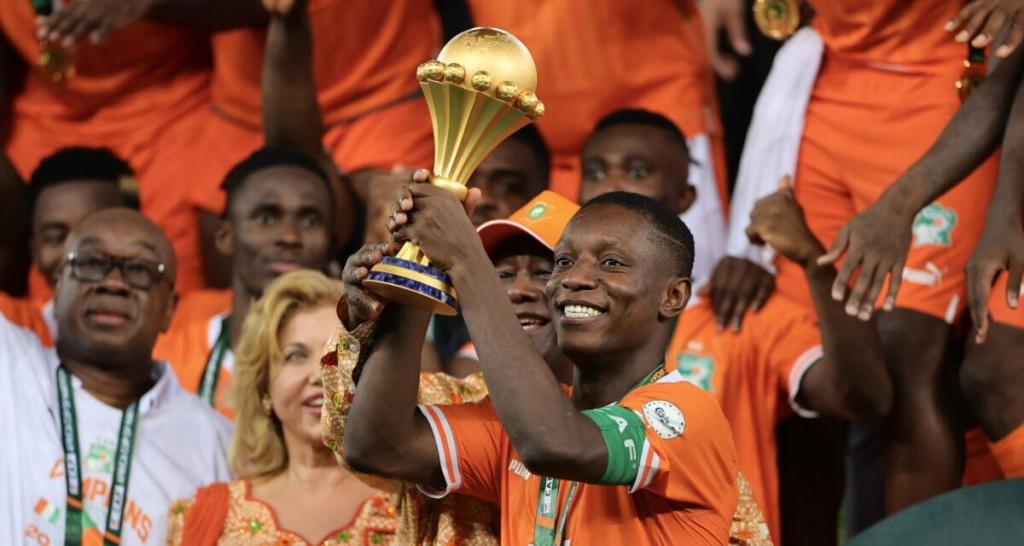
It is a decision that marks a major turning point in the history of African football. Long debated within the Confederation of African Football (CAF), and strongly influenced by FIFA’s international calendar pressures, the reform is now official: the Africa Cup of Nations (AFCON) will be played every four years starting in 2028.
The announcement was made by CAF President Patrice Motsepe, immediately triggering mixed reactions across the continent. For millions of African fans, deeply attached to the biennial AFCON—more than just a tournament but a cultural and emotional gathering—the news feels like a profound shift.
A Strategic but Controversial Reform
According to CAF, the decision aims to align African football with global standards, improve tournament quality, enhance player preparation and increase commercial value. European clubs have long complained about releasing African players too frequently, and AFCON’s two-year cycle was often seen as a burden in the global football ecosystem.
However, many Africans question whether this reform sacrifices African traditions to external pressure. AFCON has always been more than football: it is a celebration of identity, unity and pride across the continent.
AFCON 2027 Maintained as Planned
CAF confirmed that AFCON 2027, scheduled to be hosted in East Africa, will go ahead under the current format. The four-year cycle will only begin in 2028, allowing federations, players and supporters time to adjust to this structural change.
An African Nations League to Fill the Gap
To address concerns over the long gap between AFCON tournaments, Patrice Motsepe also announced the creation of an African Nations League. This new competition aims to maintain regular high-level competition among national teams, improve performance and keep fans engaged.
While promising on paper, several questions remain unanswered: calendar management, funding, media visibility and public acceptance. CAF now faces the challenge of ensuring that this new competition strengthens African football rather than diluting its appeal.
Modernization vs. Identity
At the heart of this reform lies a deeper question: how can African football modernize without losing its soul? AFCON’s two-year rhythm gave African nations rare and consistent global visibility.
Today, African football stands at a crossroads—caught between global economic realities and the expectations of its people.
👉🏿 What do you think of this decision?
A necessary evolution or a cultural compromise?
✍🏿 AFROSCOPIE NEWS
African football, beyond the game.

 AFROSCOPIE NEWS
Laisser un commentaire